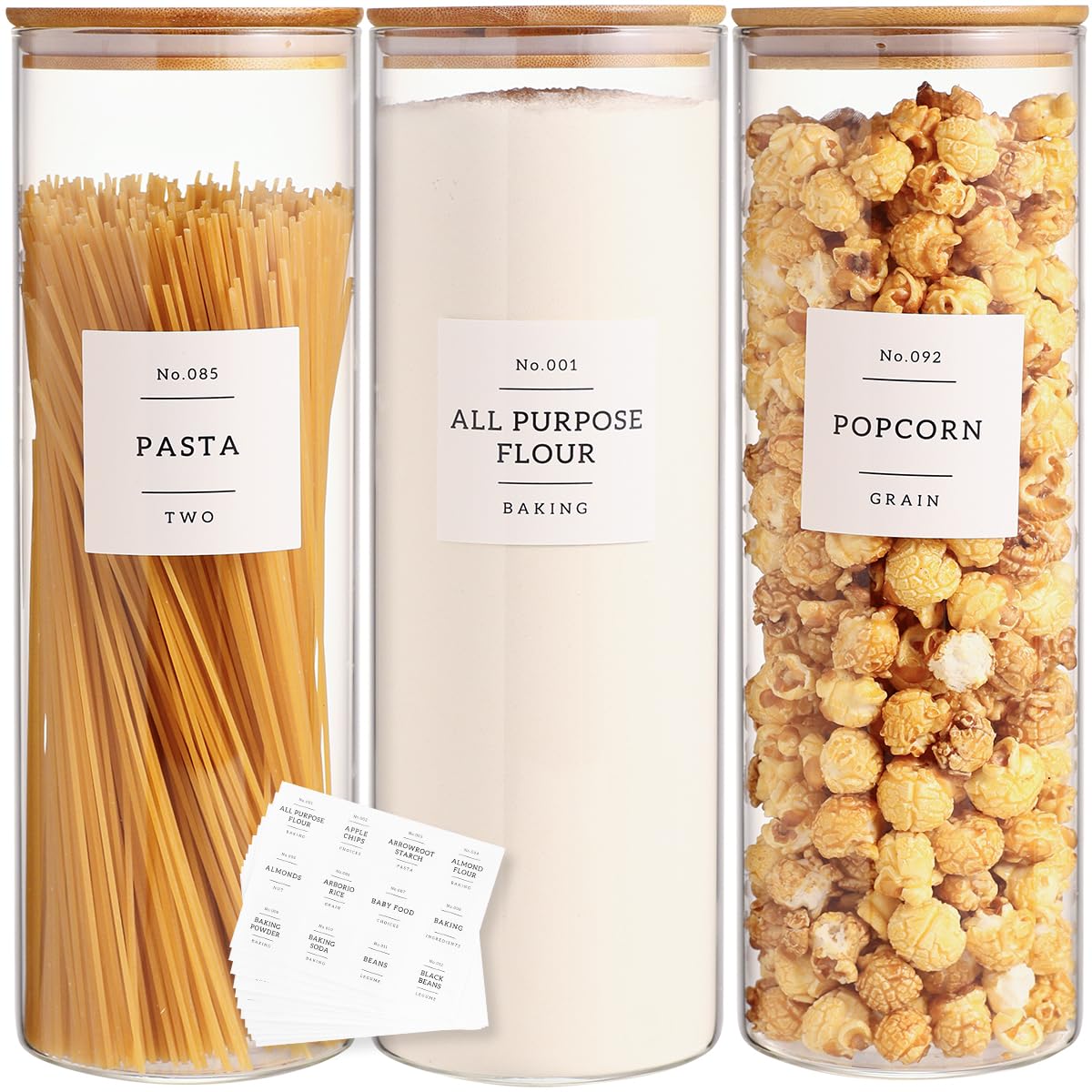
 The vessels are, in essence, slow-motion laboratories. — CZZGSM 7 glass jars with bamboo lid and labels — $26.88
Visit this page.
But real ingredients refuse such general compliance. Saffron, for example, the delicate red threads, requires meticulous darkness. Not merely opaque, but a vessel that actively wards off light, usually small glass or ceramic containers stored inside a dark cupboard, ensuring the crocin and safranal retain their volatile integrity.
This necessity shifts storage from a mundane chore into an act of reverence. Consider the specific demands of highly alkaline lye-cured olives, traditional to certain Mediterranean groves. These cannot simply be dumped into any old glass jar. They demand heavy earthenware crocks, often lined or glazed specifically to withstand the corrosive brine while maintaining a stable, cool environment for slow curing. The vessels themselves become historical artifacts, bearing the ghost memory of previous harvests. The serious work of preservation is often about material—the right clay, the specific density. It is quite funny, the way we try to impose simple, modern structures onto ancient, complicated food.
At the Noma Fermentation Lab in Copenhagen, Chef René Redzepi and his team elevate storage from a domestic concern to a critical scientific enterprise. Their pantry is a maze of highly customized containers—not the jars found in a discount store, but bespoke glass spheres, precise vacuum chambers, and specialized vessels designed to maintain low-oxygen environments or hyper-specific temperatures for months on end. They store the unusual: fermented pine cones, black garlic, and proprietary garums, each requiring a tailored, hermetically sealed universe. The vessels are, in essence, slow-motion laboratories. A deep devotion to the flavor locked inside. A tiny world inside a heavy, labeled jar.
* Traditional Cretan Pithos (earthenware jars) used historically for storing oil or wine, often buried partially underground to utilize the earth's insulating properties.
* The necessity of beeswax lining inside certain specific wooden honey boxes found in remote parts of the Peloponnese, required to inhibit crystallization and maintain the nuanced floral essence.
* Koji rice, essential for making miso or sake, must be stored in extremely breathable, shallow wooden trays, not airtight jars, to manage humidity during its crucial initial cultivation phase.
* The use of vacuum-sealed metal tins for specific varieties of ultra-fine Japanese matcha powder, where any introduction of oxygen rapidly destroys the fragile chlorophyll structure.
The very best jars, perhaps, are those that teach you something about what you are keeping. The heavy, dark container holding your potent chili oil is silent, but insistent. It demands respect.
Get It On Amazon ::: (brought to you by Kiitn)
▷ Visit this page.
7 glass jars with bamboo lid and labels Price, $26.88 $ 26 . 88 - $27.88 $ 27 . 88
#Ad Our articles include affiliate links: If you buy something through a link, we may earn a commission 💕
[ Add To Cart ]


No comments:
Post a Comment