 Popular Audiobooks ○
 This is where empathy lives, hidden in the accidental noise. — Visit this page.
The playback reveals not the booming patriarch of Southern letters one might anticipate, but rather a nearly inaudible, halting mumble, the sound of a private sorrow accidentally caught on tape. The monumental stature of the man seemed wholly divorced from the frail, uncertain sonic reality. This is the enduring, confusing charm of the captured voice: it grants an intimacy the printed page purposefully denies, forcing the listener to confront the unexpected textures of the teller, not just the tale.
The act of absorbing a life story solely through the narrator's vibrating vocal cords presents a deeply uncanny experience. When a figure known for orchestrating visual narratives, such as a filmmaker, commits their existence to pure sound, the resulting perception is wonderfully disjointed. The ear, stripped of the visual cues that defined the public persona—the careful tilt of the head, the familiar backdrop of a set—must contend only with the breath, the swallowing, the subtle shift in pitch when discussing a moment of private humiliation. This is where empathy lives, hidden in the accidental noise. The voice, stripped down to its essentials, becomes a peculiar haunt, a rhythm that enters the listener's own body without the requisite passage through the light-fed eye.
Before the ubiquity of digital access, narrated experiences existed as cumbersome, specialized objects. Consider the strange, heavy archives of the 1970s and 80s: spoken word poetry pressed onto vinyl LPs, often featuring actors known primarily for soap operas or action films delivering dramatic readings of forgotten sonnets. These physical narratives, now largely defunct, underscore a historical longing for the celebrity voice to confer importance upon the text, turning literature into a collectible artifact defined by its narrator's notoriety. These forgotten records, scratched and warping in attics, suggest that the desire to hear the famous voice—the same peculiar longing that drives current listening trends—is not a modern phenomenon, but rather a persistent confusion regarding where the art ends and the actual human begins.
* Early 'talking books' were distributed on heavy, specialized discs requiring unique phonographs for playback, often involving six times the storage space of a standard music album.
* The first complete narration of the Bible was performed by Alexander Scourby, whose cadence became so intrinsically linked to the scripture that subsequent narrators struggled to escape the rhythm he established.
* In the 1960s, a niche market developed for "narrated instructionals" on cassette tape, where Hollywood character actors—the familiar faces from Westerns—would guide listeners through tax codes or complex woodworking techniques.
* Certain audio memoirs have achieved notoriety not for the content itself, but for the narrator's unpredictable, improvised interjections which were accidentally left in the final cut, transforming the polished memory into something closer to an overheard argument.
* The physical location of the recording profoundly affects the final product; one famous memoir was recorded entirely in a sound booth directly beneath a major transit line, lending a subtle, low-frequency rumble to every crucial dramatic pause.
Get It On Amazon ::: (brought to you by Kiitn)
▷ Visit this page.
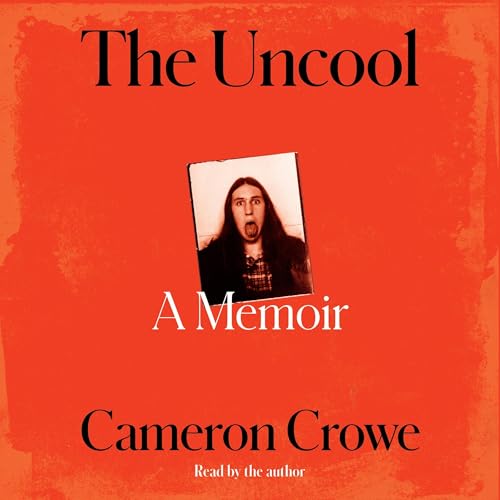
The Uncool: A Memoir The Uncool: A Memoir Cameron Crowe 25 #1 Best Seller in Actor ⁘ Entertainer Biographies Audible Audiobook $0.00 Free with Audible trial
#Ad Our articles include affiliate links: If you buy something through a link, we may earn a commission 💕
[ Buy It Here ]


No comments:
Post a Comment